

Honouring our Sacred Responsibility

Carrying our sacred work forward
Stsi’elh Stuhw tu Smun’eemHonouring Our Sacred Children and Families is the new Cowichan Tribes organization responsible for family and child wellness under our own Law. We are building a path that reflects Quw’utsunCowichan teachings, values and community care. Beginning with a phased-in approach on Vancouver Island, we will grow to serve Quw’utsun citizens across Canada, providing care, cultural strength and belonging.
Our journey
For generations, Quw’utsunCowichan families have carried the sacred responsibility of raising our children. Colonial systems disrupted those relationships but our community never stopped working to bring them home. Guided by our Snuw’uy’ulhTeachings, values, principles and the vision of our Elders, we have reclaimed our inherent right to care for our own children and families under our Law. Together, we have changed Canadian history and set our own much longer history back on the right path.
Quw’utsunCowichan laws and teachings guided how families raised and protected their children.


Residential schools and the Sixties Scoop tore families apart, leaving deep impacts that continue today.
Cowichan Tribes created Lalum’utul’ Smun’eem, a delegated agency, as a first step toward reclaiming jurisdiction.
Community conversations began about creating our own Cowichan child and family Law.
Canada passed Bill C-92, recognizing Indigenous jurisdiction over child and family services; Cowichan Tribes gave notice of intent to exercise this right.
The Cowichan Tribes Child and Family Wellness Project worked with families, Elders, youth, and leadership to draft the Law and coordination agreement.
Snuw’uy’ulhtst tu Quw’utsun Mustimuhw u’ tu Shhw’a’luqwa’ i’ Smun’eem was passed by community consensus, marking the return of full authority for Cowichan families to care for Cowichan children
Our mandate
Our mandate comes from the Quw’utsun MustimuhwCowichan People through the Snuw’uy’ulhtst tu Quw’utsun Mustimuhw u’ tu Shhw’a’luqwa’ i’ Smun’eem, the Laws of the Cowichan People for Families and Children, passed by consensus in 2024. This Law restores our responsibility to care for our own Smun’eemChildren and families in Quw’utsunCowichan ways. We also follow our Snuw’uy’ulhTeachings, values, principles, the teachings that show us how to live and care for one another. Together, they define who we are and how we walk alongside families.
Our Snuw’uy’ulhTeachings, values, principles and Quw’utsunCowichan culture are powerful medicine for the historic and ongoing harms of colonization. Guided by this medicine and grounded in the restoration of our identity (our ways of knowing, being and doing) we envision a future where all Smun’eemChildren and youth are supported within strong, resilient Quw’utsunCowichan Shhw’a’luqwa’Family and communities, with no Smun’eemChildren in care.
We uplift the wellbeing of our Smun’eemChildren, youth, Shhw’a’luqwa’Family, communities and Nation by walking alongside them and supporting healing journeys that preserve the Hun’ta’wuqwFamily unity.
Our practice Framework guides policies, practices and procedures, ensuring consistency across our services based on shared principles, commitments and approaches. This Framework enables Stsi’elh Stuhw tu Smun’eemHonouring Our Sacred Children and Families leadership, staff and care providers to understand and embody our Snuw’uy’ulhTeachings, values, principles and Law.
Our work
Our work reflects years of dedication, courage and collaboration. Guided by Quw’utsunCowichan Law and teachings, we’ve built a completely different kind of organization that unlearns systems of separation, replacing them with relationships of care, prevention and belonging.
Our core commitments and responsibilities to Quw’utsunCowichan Shhw’a’luqwa’Family reflect our accountability to Quw’utsun MustimuhwCowichan People.
- Reflectiveness & Self-Awareness We examine our beliefs, history and conscious & unconscious biases
- Trauma-informed Practice We recognize the multigenerational harm caused by Child & Family Services and are committed to rebuilding trust
- Lifelong Learning & Unlearning We embrace the continual learning journey & lean into collective wisdom
- Give from a Full Cup We care for ourselves and show up with emotional, physical & spiritual readiness
Our practice approaches are grounded in substantive equality, meeting each Shhw’a’luqwa’Family where they are to protect and preserve kinship relations, which are essential to the wellbeing of Smun’eemChildren and youth. Through the alignment of our preventative Child and Family Services with our Snuw’uy’ulhTeachings, values, principles, we strengthen and support the Hun’ta’wuqwFamily unity and honour differences to ensure inclusivity for every Shhw’a’luqwa’Family.
By centering prevention-based, holistic practice, we focus on stabilizing, healing, and strengthening kinship relations while recognizing the unique strengths and needs of each Shhw’a’luqwa’Family. These efforts are foundational to the wellbeing of Smun’eemChildren, youth and families as well as the collective healing of our communities and Nation. Each approach is interconnected and interdependent, and most effective when applied together. Inspired by the Quw’utsunCowichan tradition of cedar weaving, our practice approaches work together to form a strong, unified whole, reminding us that every strand has a purpose and our strength grows through collaboration.
The following are our key practice approaches:
Grounded in the teaching Mukw’ tu shhw’a’luqw’a’ ‘o’ tth’ele’s tu shhwuliFamily is the heart of life, or family is the heart of life, this approach recognizes that families are the first circle of care. Every Shhw’a’luqwa’Family holds knowledge, strength, and the ability to guide their children’s wellbeing. We honour these strengths by supporting families to lead decision-making, care, and healing, surrounded by Elders, cultural teachers, and their community network.
Guided by the teaching Nuts’a’maat shqwaluwunOne Mind, One Heart, One Spirit, or one mind, one heart, one spirit, this approach reflects our commitment to shared responsibility. We build relationships rooted in trust, humility and respect, bringing families, service teams and community together to plan and act collectively. Collaboration ensures that decisions are inclusive, transparent and grounded equally in professional and cultural knowledge.
Culture is central to wellness and belonging. This approach focuses on nurturing each child’s connection to their Tumuhw, Shhw’a’luqwa’Family, language and teachings. By weaving culture into all aspects of care, we strengthen pride, self-identity and belonging. Elders and knowledge keepers guide this work, ensuring that every Smun’eemChildren grows up knowing who they are and where they come from.
The Paddling Together approach represents collective movement where families, staff and community work side by side, like paddlers in a SunihwulhCanoe. Each person brings unique strengths and roles. Our progress depends on unity, rhythm and balance. By paddling together with shared purpose and care, we strengthen relationships and create sustainable outcomes for our children, families and Nation.
Our name
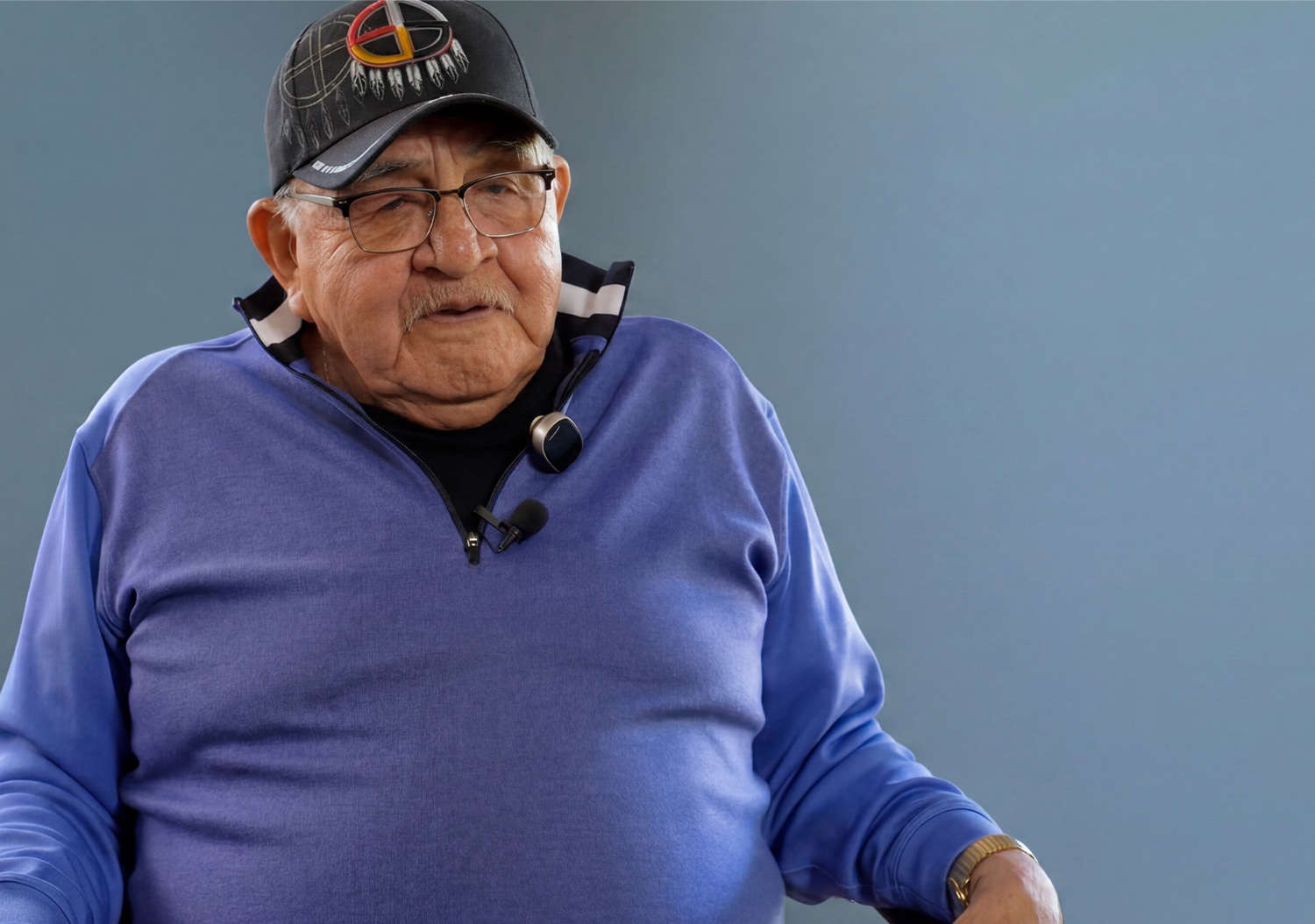
Stsi’elh Stuhw tu Smun’eemHonouring Our Sacred Children and Families means Honouring Our Sacred Children and Families. The name reflects our sacred responsibility to care for our Smun’eemChildren and uphold the teachings that keep families strong. Hear from our Elders as they share the story and meaning behind this name and what it carries forward.
Our Difference
Stsi’elh Stuhw tu Smun’eemHonouring Our Sacred Children and Families is among the first agencies in Canada to operate under a child and family law created by and for Indigenous people. Guided by Quw’utsunCowichan Law and teachings, we are restoring family and community bonds, replacing systems of separation with prevention, belonging and cultural reconnection.
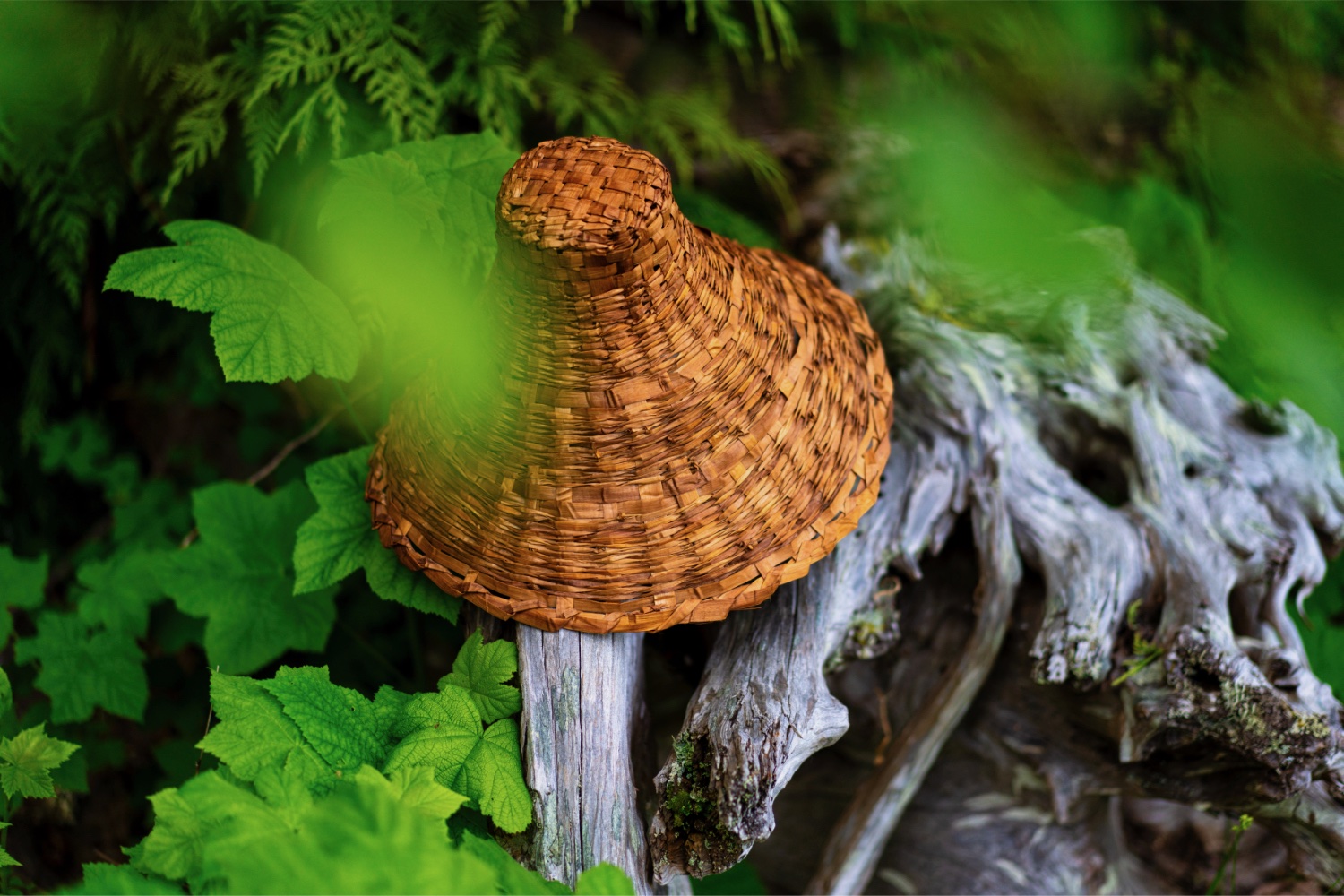
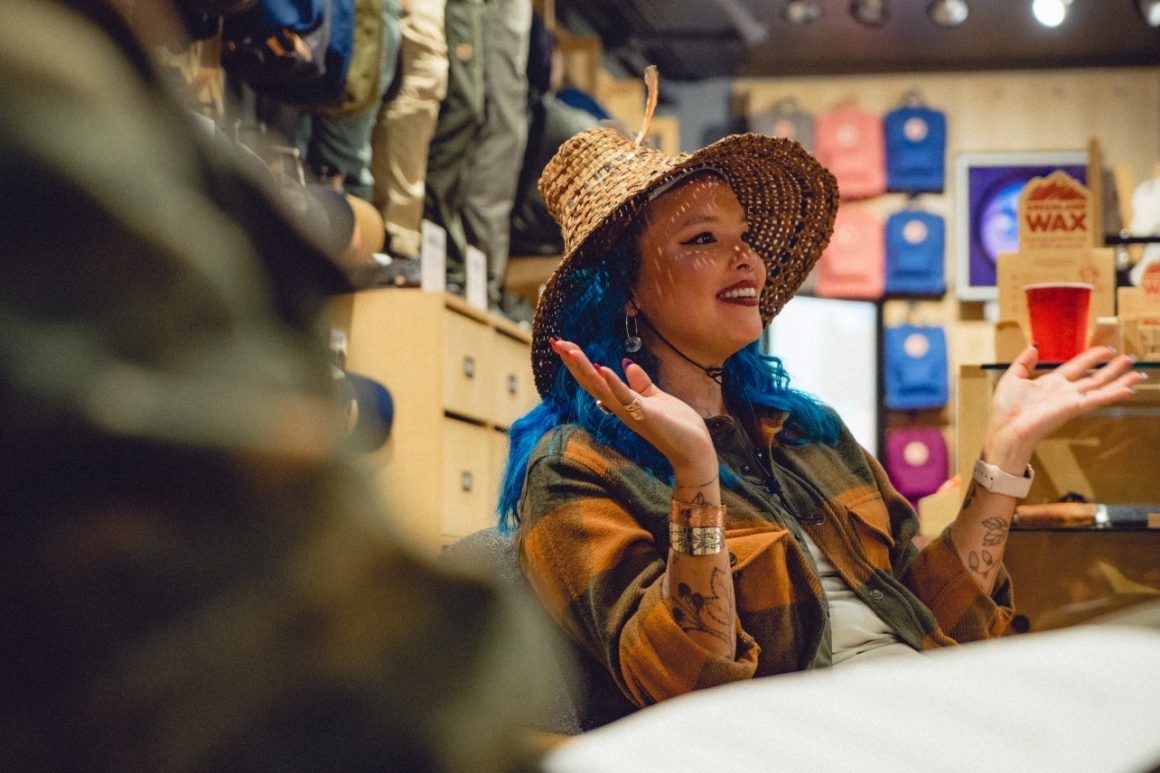 Photo by: Fjällräven
Our Logo
Created by Quw’utsunCowichan artist Charlene Johnny, our logo represents the circle of life. The flower petals symbolize children and each petal represents one of the seven Quw’utsunCowichan Villages. The hands at the base are meant to uphold and protect our children. Rooted in the colours of the land and our traditional medicines, the logo carries forward the strength, continuity and teachings that guide our work.
Our people
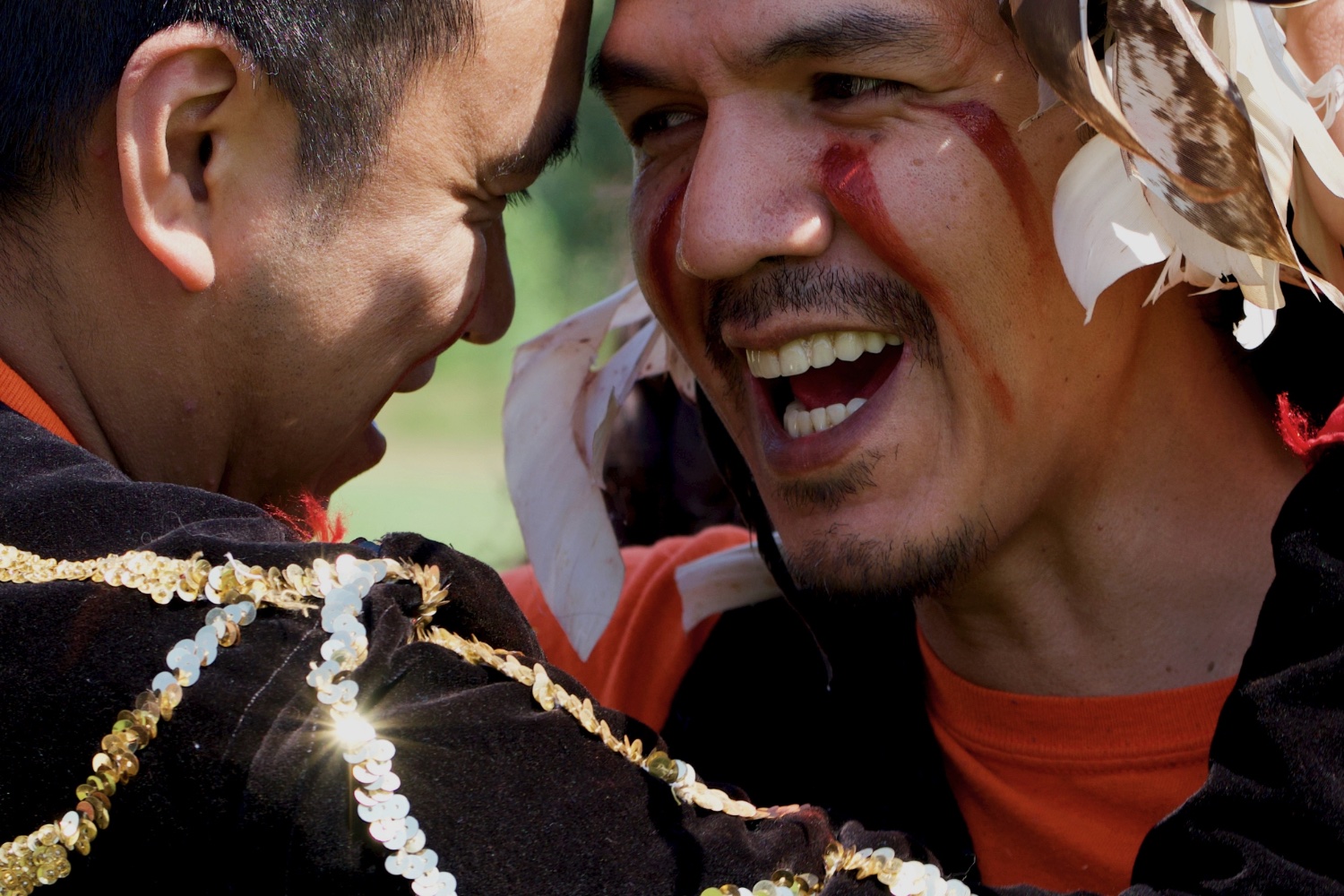
Stsi’elh Stuhw tu Smun’eemHonouring Our Sacred Children and Families is guided by community leadership and cultural wisdom. Our growing team includes staff, board members and partners. From front-line caregivers to cultural knowledge keepers, we are all dedicated to lifting families up through care, culture and community.
Our governance structure reflects community accountability, cultural guidance and transparent leadership.
We are accountable to the Quw’utsun MustimuhwCowichan People through open communication, confidentiality and restorative processes that uphold trust. Guided by Chief and Council and the Sul’hweenElders Committee, our decisions are made with integrity and in alignment with our Law, our teachings and the voices of our people.

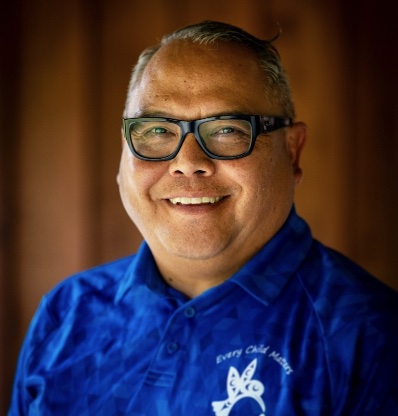
Qwiyahwult-hw Stuart Padaguan, Board Chair
Stuart Pagaduan is a local Cowichan Tribes member and active community advocate for Cowichan teachings and language. Stuart has spent most of his life living as an inspirational Coast Salish Artist, while using his creative flow to build bridges between the Cowichan People and the larger Cowichan Valley community. He also creates a lot of imagery used within many schools and classrooms that help enhance student learning of Hul’q’umi’num’. Stuart works in a variety of mediums and has works around the world and continues to bring modern style to the Coast Salish Arts. Stuart was fortunate enough to be raised by his grandparents, late Ben & Violet George. They shaped and guided him to be the speaker and leader he is today. Stuart is a strong advocate for keeping Hul’q’umi’num’ language alive and continuing to support our young people. Stuart is currently working at Island Health as an Indigenous Advisor.
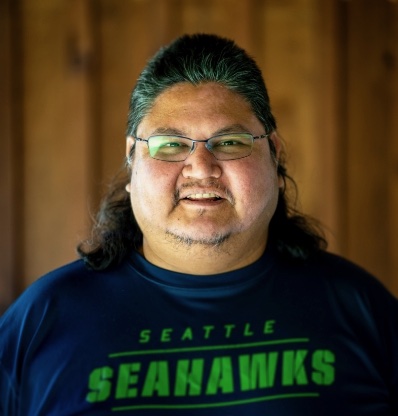
Klhawlha Michael Alpine, Board Member
Michael Alpine, a proud Cowichan member, works in the Records and Information Management department for Cowichan Tribes, where he preserves Cowichan history through digitization and governance policy development. He holds a Bachelor of Business Administration with a Management major from VIU, where he received the Elizabeth Newham bursary for Outstanding Academic Achievement. His background includes extensive governance training and security experience from his role in the first Cowichan Tribes Guardian project. Born in Seattle and having spent his early years in care, Michael understands the challenges Indigenous children and families face in child welfare systems. He is passionate about community engagement, enjoying public speaking, event hosting, DJing, and contributing to Halloween pyrotechnics. Drawing from his personal and professional experiences, Michael aims to support strong business and governance decisions with his colleagues at the Board of Directors table.

Tsee’yup’ta’naat’ Madeline Joe, Board Member
With extensive experience in Indigenous advocacy, governance, and community service, Madeline has dedicated over 25 years to supporting Indigenous children, youth, and families, particularly in child welfare matters. Madeline has also served on multiple boards and committees, including Cowichan Tribes Citizenship Appeals and Stsi’elh Stuhw’ew’t-hw tun Smun’eem. Her expertise spans program management, policy development, community consultation, and business and project management. As an independent consultant, she has assisted with Board of Directors training, governance discussions, and cultural program implementation. Madeline’s academic background includes studies in child and youth care, legal studies, social work, and literature. Through volunteer roles in health networks, housing coalitions, and Indigenous advisory groups, she has contributed to initiatives addressing youth homelessness, prenatal substance use, and Indigenous
patient services.
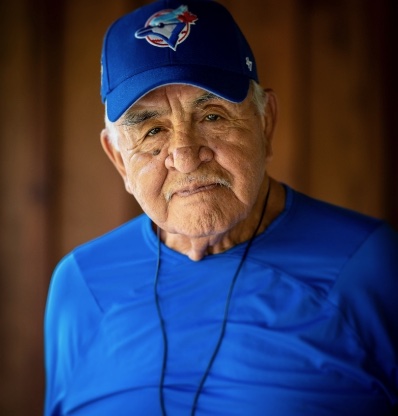
Hwul qu letse’ Albie Charlie, Board Member
Albie Charlie believes that culturally we are meant to look after the young people. Working around social work and with youth has always been such a large part of his life. When jurisdiction started, Albie knew he wanted to be a part of it and has been since it first started many years ago. In 1973, Albie received his degree in Social Work at Camosun College. Throughout the years he has been a part of many committees such as treaty, education, Elders advisory, land investigation, justice, and housing. Albie also served 7 terms as a member of Chief and Council. Albie’s strengths are his knowledge of culture and traditions, fluent Hul’qumi’num’ speaker, knowledge keeper, as well as having strong relationships with surrounding nations.
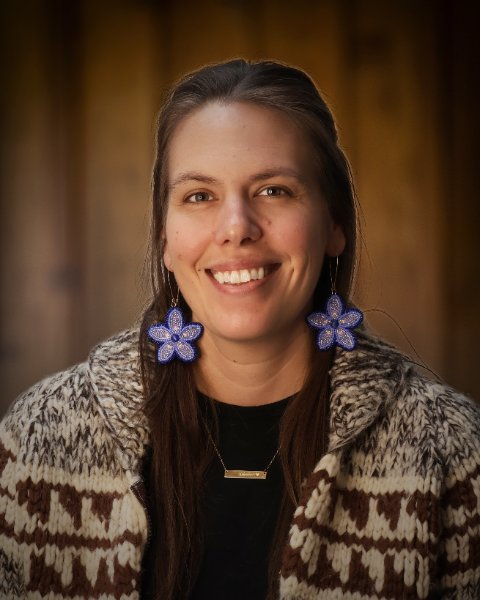
Unxiimtunaat Emily Salmon, Board Member
Dr. Emily Salmon is a proud member of Cowichan Tribes. Her work is inspired by her parents, (late) Ted and Lyne Williams, who have always emphasized our responsibility to use our gifts to support and improve our families and community. Emily lives in Cowichan with her two young children and is excited to bring her knowledge and experience to support business practices that reflect Cowichan sovereignty and culture. Emily is also an Assistant Professor at Simon Fraser University’s Beedie School of Business, specializing in Indigenous business, leadership, and sustainability. She brings a strong focus on integrating Indigenous methodologies into business education and research, while focused on the role Indigenous economies play in the pursuit of sovereignty and self-determination. Emily is also the co-director of the Balance Co-Lab project, which supports Indigenous communities in decision-making and impact assessments.
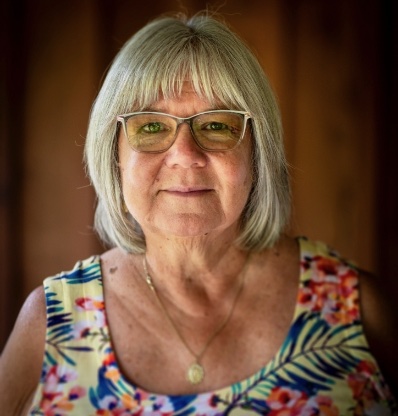
Tth e’y kw ‘ul aat Diana Elliott, Board Member
Diana Elliott has dedicated over 33 years to Aboriginal Infant Development Programs (AIDP), serving as the Provincial Advisor for 57 programs in B.C. for nearly 20 years. As a proud member of Cowichan Tribes with ties to the Hupacasath First Nation, she values the role of culture, family, and lifelong learning in Indigenous Early Childhood Development and Care. Throughout her career, she has integrated Elder teachings and community knowledge into her work, emphasizing
culturally safe, family-centered approaches. Currently, Diana is a sessional instructor at Vancouver Island University, where she mentors future Early Childhood Education and Care (ECEC) professionals, with a special focus on Indigenous students. She believes that caring for children is both an honor and a responsibility. Diana remains committed to community wellness and is eager to contribute to quality programs for families through her involvement with Sts’elh
Stuhw tu Smun’eem.
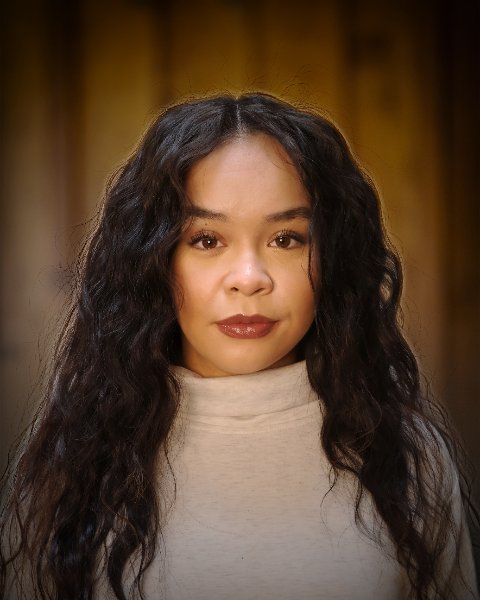
Kaahka wiin uqsaah Kaitlyn Atleo, Board Member
Kaitlyn Atleo is the youth rep on our board. She is currently a University student in England where she studies and plays soccer for Macclessfield FC. Kaitlyn is working towards her Masters of Science in Sports Business Management and just completed her second year of study. With her degree Kaitlyn’s goals are to create soccer development programs for under privileged children. Kaitlyn also wants to assist in creating pathways for players to pursue soccer at elite and
professional levels. Kaitlyn currently plays locally with our Cowichan FC, all native ladies team for the summer and is hoping to do some coaching through the Hope and Health Program. Kaitlyn enjoys her role on the board and hopes the changes we are making will have only positive effects for our community and future generations. Kaitlyn is guided by her great-grandparents teachings and believes that supporting our community to heal and thrive is the goal and responsibility of all of us.
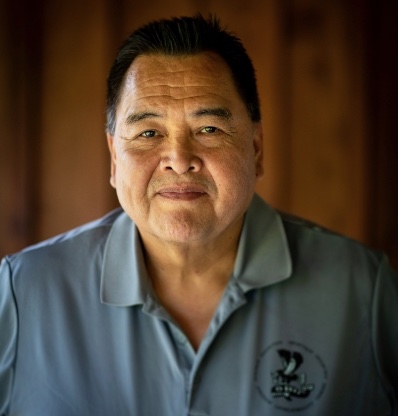
Ququyelh Jonathan Joe, Board Member
Jonathan Joe has dedicated over 33 years with the Public Service of Canada, Department of Fisheries & Oceans (DFO), as a Pacific Regional Negotiator, between First Nations of British Columbia and DFO. Treaty Negotiations & Reconciliations, Aboriginal Fisheries Strategy (AFS), Allocation Transfer Program (ATP), Aboriginal Guardian Program, Pacific Integrated Commercial Fisheries Initiative (PICFI), Aboriginal Aquatic Resource and Oceans Management program, the Fisheries and Oceans Canada indigenous program that supports Indigenous groups in developing and maintaining scientific and technical capacity related to fisheries, aquatic resources, and oceans management. Jonathan is key with Culture and Language completing his master’s Program (MA) for the Hul’qumi’num Linguistics Language, at Simon Fraser University (SFU), and a traditional Coast Salish Cultural Hul’qumi’num Sqwi’qwal Speaker for the Coast Salish First Nations of the Vancouver Island – USA Washington communities. Jonathan remains committed to community wellness and contribute to quality programs for families through his involvement with Sts’elh stuhw tu Smun’eem.
Yutetethu Clarissa Peter, Board Member
Clarissa Peter, a proud member of the Cowichan Tribes, is entering her final year in the JD/JID program at the University of Victoria, which focuses on Canadian Common Law and Indigenous Legal Orders. She is the daughter of Francine Alphonse and Derrick Peter Sr., and the granddaughter of the late Philomena and Dennis Alphonse, and Marg and Leonard Peter. Rooted in her Quw’utsun identity, she is committed to revitalizing Quw’utsun laws, ethics, and governance while integrating ancestral teachings into contemporary legal systems to protect and strengthen her people’s inherent rights. She serves on the board of Quw’utsun Child and Family Services, advocating for the well-being of Quw’utsun families through culturally grounded, community-led governance. Passionate about the resurgence and sovereignty of Quw’utsun governance, she envisions a future where traditional leadership structures are upheld and respected. Guided by snuw’uyulh (cultural teachings), Clarissa strives to uplift her Nation and drive meaningful change through her work and education.
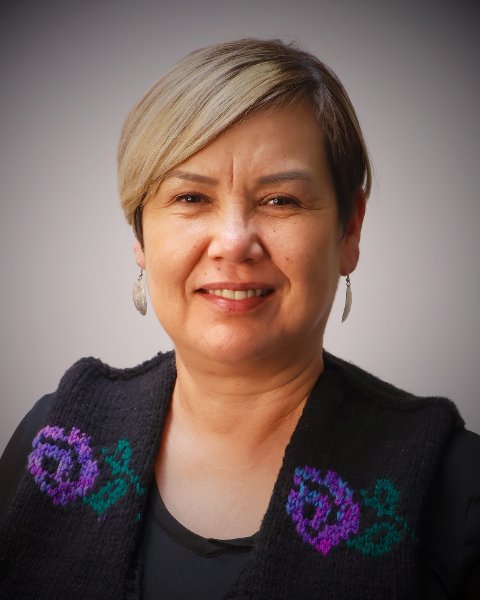
Patricia Thomas, Chief Executive Officer
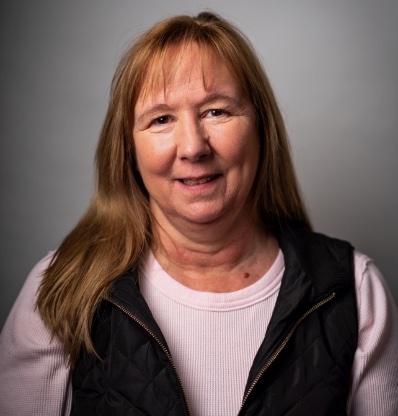
Denise Orpen, Executive Director
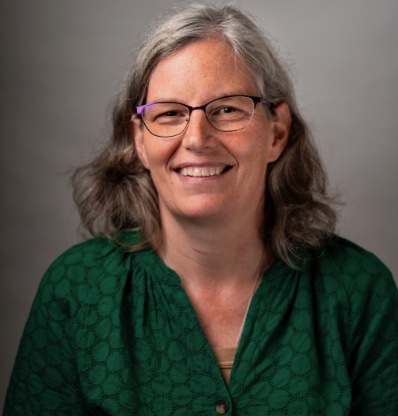
Tami Fuson, Operations Director
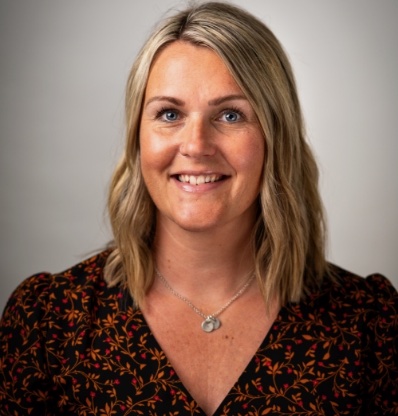
Kristin Ronse , Quality Assurance Director
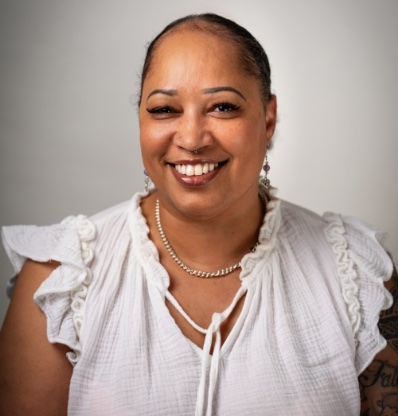
Amber Upshaw, Practice Director
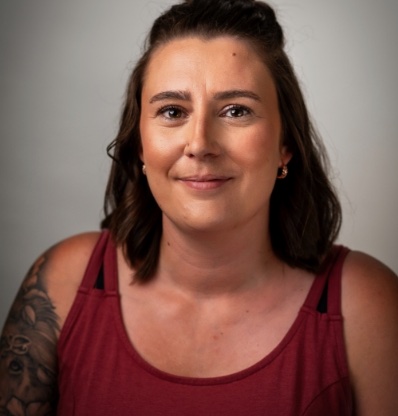
Ashley Kinnaird, Operations Manager
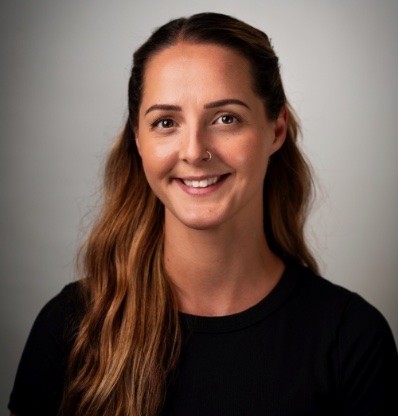
Whitney Harris, Intake Manager
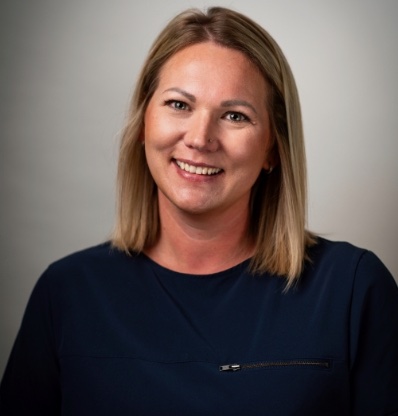
Ashley Baur, Family Service Manager
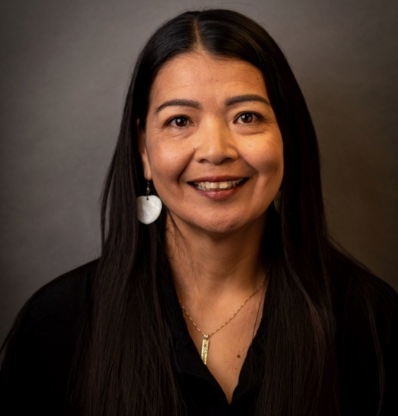
Marie Elliott, Family Service Manager
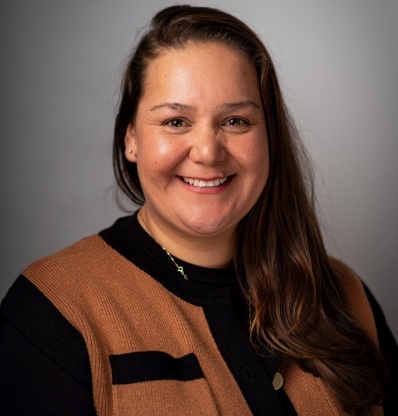
Toni Williams, Prevention Manager
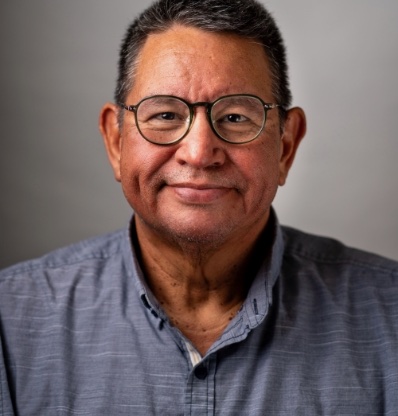
JJ Allen, Hulithut Group Home Manager
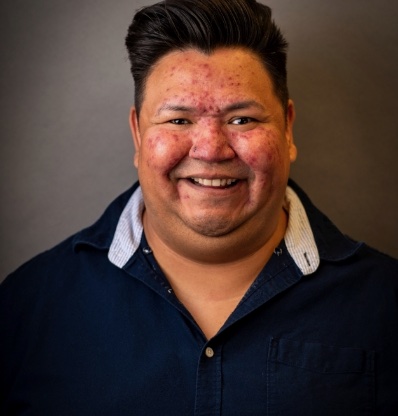
Kelly August, Office Manager
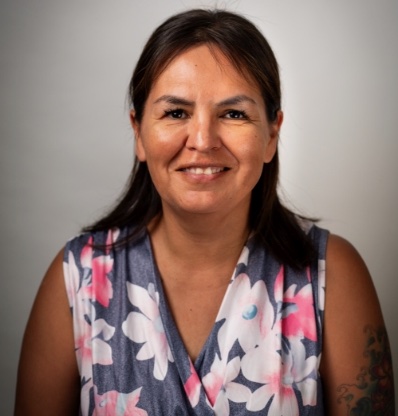
Lea Joe , Support Services Manager
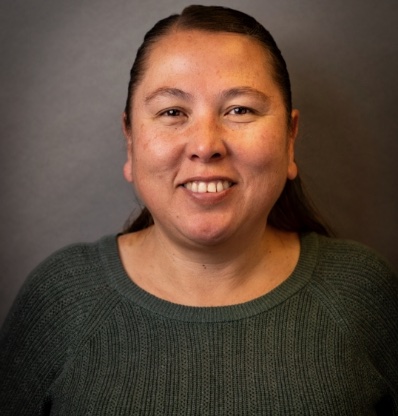
Stacy Seymour , Guardianship Manager
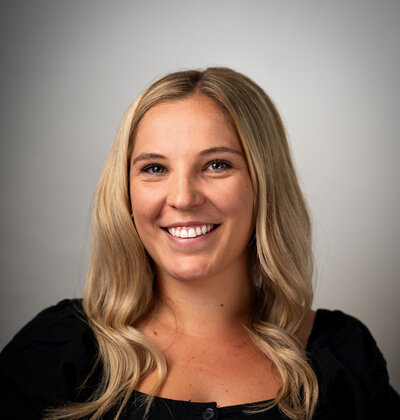
Stefanie Langkammer, Family Service Ts’uwtun
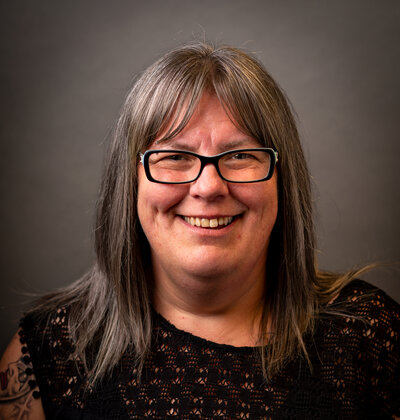
Deanna Bull, Family Service Ts’uwtun
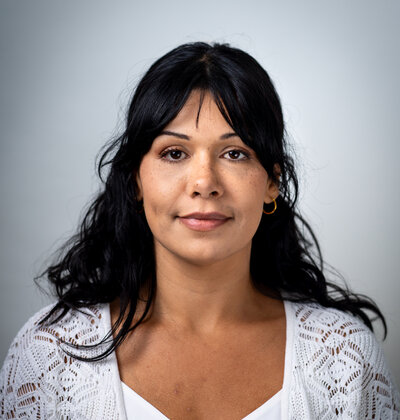
Stacy Grewal, Family Service Ts’uwtun
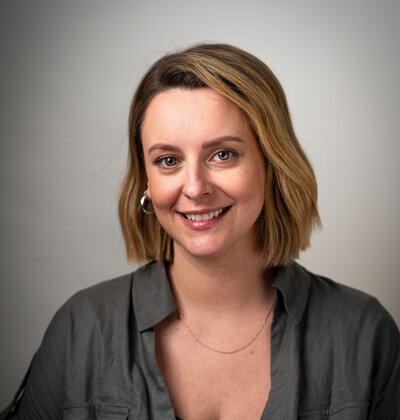
Danielle Laferriere, Family Service Ts’uwtun
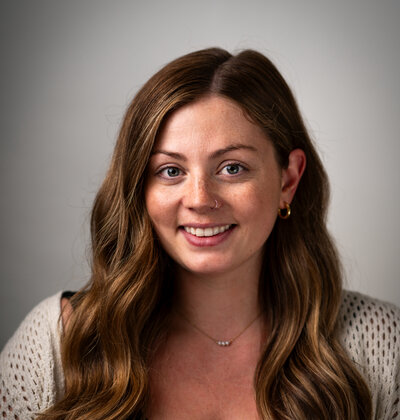
Kathleen Mccarthy, Family Service Ts’uwtun
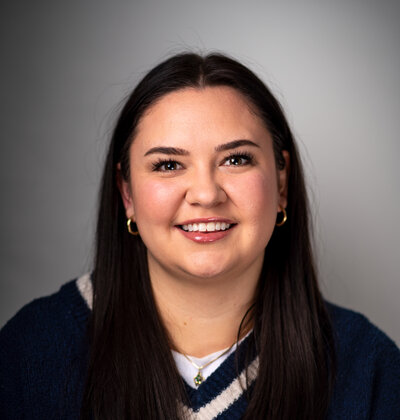
Roberta Bellamy, Intake Ts’uwtun
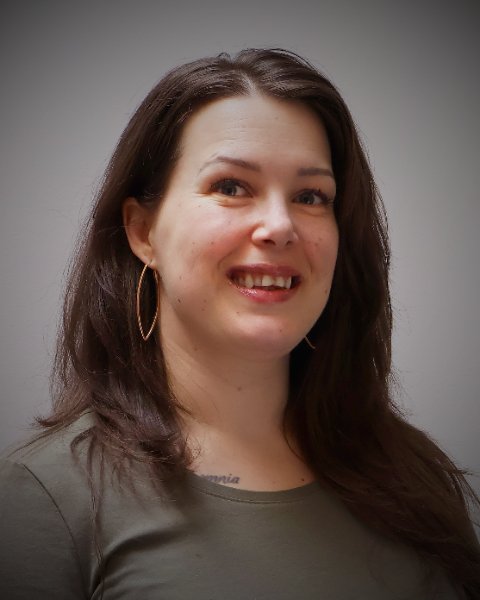
Sabrina Harris, Intake Ts’uwtun
Vanessa Hetu, Intake Ts’uwtun
Mary Rose Williams, Intake Ts’uwtun
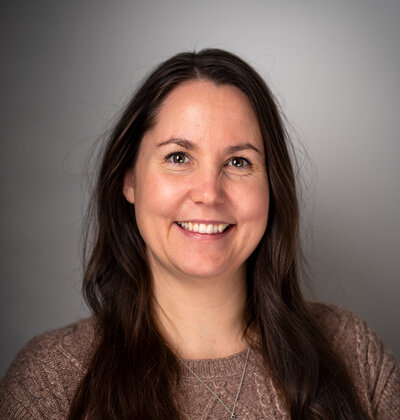
Chelsea Hasanen, Intake Ts’uwtun
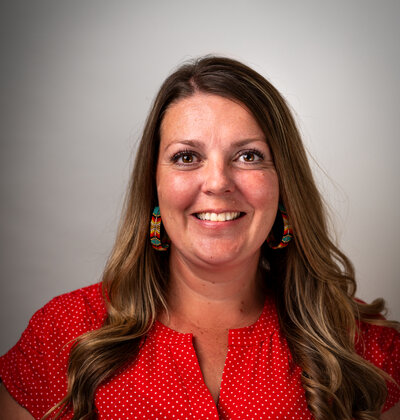
Kelsey Walness, Family Service Ts’uwtun
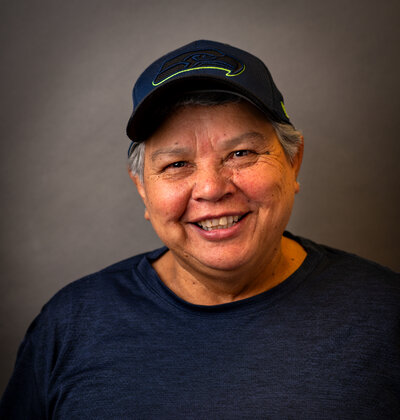
Dawna Elliott, Family Service Ts’uwtun
Ashleigh Narey, Family Service Ts’uwtun
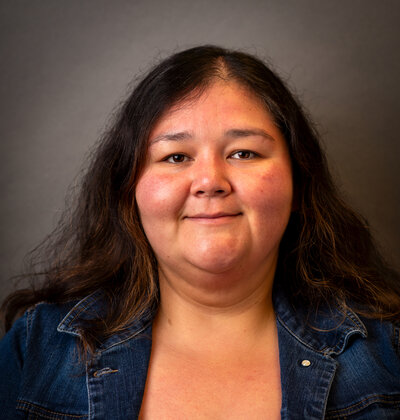
Alicia Boone, Permanency Ts’uwtun
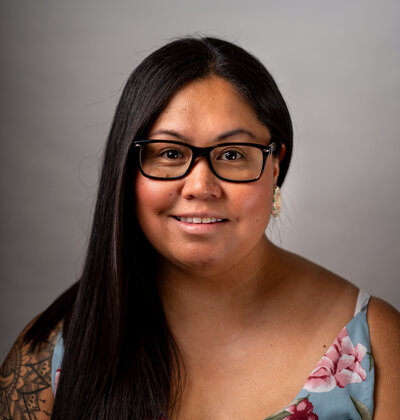
Tillie Rice, Permanency Ts’uwtun
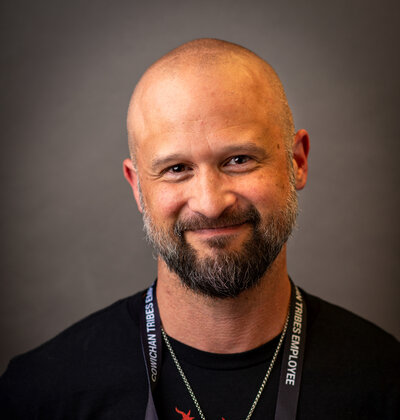
Evan Rogerson, Permanency Ts’uwtun
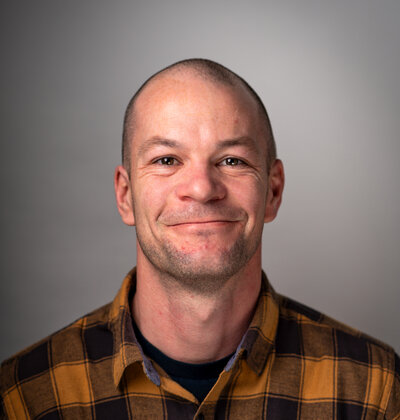
Sam Reid, Permanency Ts’uwtun
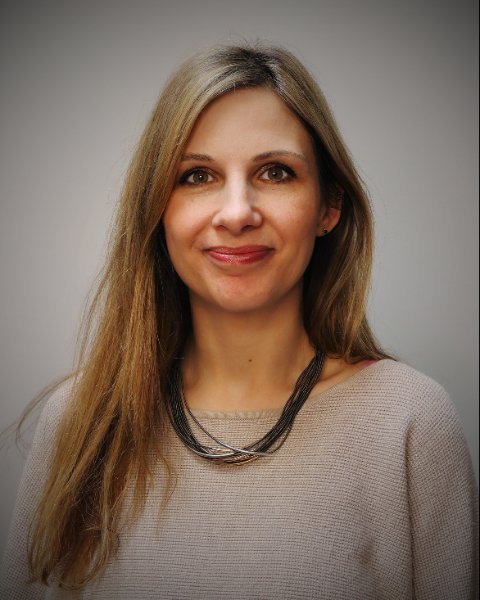
Pamela Campbell, Support Ts’uwtun
Our service area
Our service area reflects both where our work began and where it is growing. Stsi’elh Stuhw tu Smun’eemHonouring Our Sacred Children and Families serves Quw’utsunCowichan children, youth and families living on Vancouver Island and the Gulf Islands. As we continue to build capacity, we will extend our reach to support all Quw’utsunCowichan citizens across Canada.
We serve all Quw’utsunCowichan children, youth, and families, on reserve and away. Our services are available to anyone with Quw’utsunCowichan membership who seek guidance, connection or support. Whether you’re looking for prevention programs, cultural teachings, or help navigating family challenges, we are here to walk alongside you.
Our main office is located on Cowichan Tribes land in Duncan, B.C. From here, our team supports families throughout the Cowichan Valley, as well as the wider Vancouver Island and Gulf Islands region. Services are offered in community, in homes and on the land or wherever families feel most comfortable.
As more programs and staff come online, Stsi’elh Stuhw tu Smun’eemHonouring Our Sacred Children and Families will expand to serve Quw’utsunCowichan citizens across British Columbia and, in time, across Canada. Our long-term vision is to ensure every Quw’utsunCowichan child and youth, no matter where they live, has access to culturally grounded support that strengthens family unity and belonging. The timing of this phased-in approach depends on how many Quw’utsunCowichan citizens we serve, where they live and the team of people we have in place to support them.


